
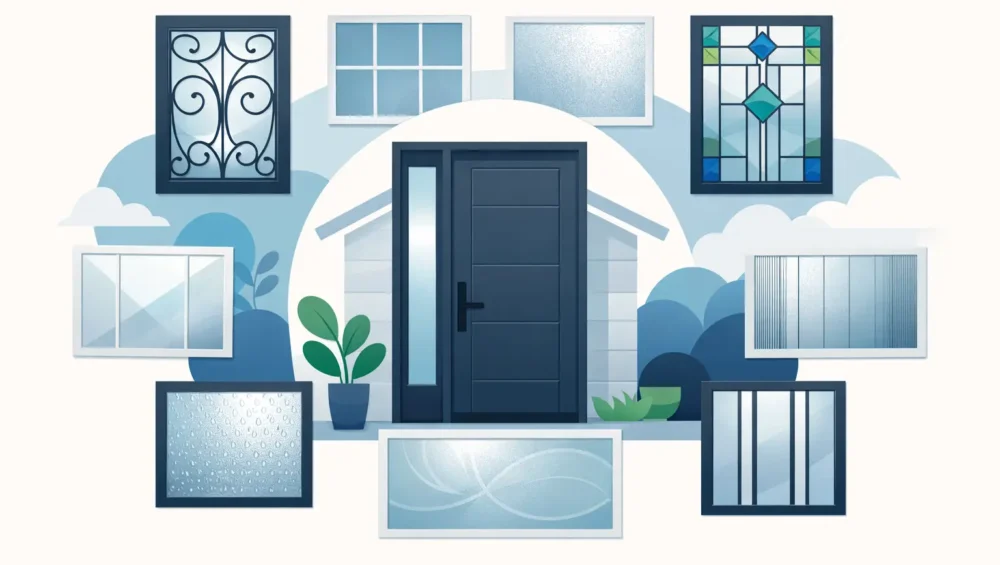
Your front door sets the tone before anyone steps inside. If you’re weighing the best entry door glass options, the right choice comes down to three things – privacy, natural light, and how much daily wear your door needs to handle.
For some homeowners, the goal is a brighter foyer that does not feel exposed to the street. For others, it is curb appeal, energy performance, or replacing dated glass with something more secure and easier to maintain. The good news is that there is no one-size-fits-all answer. The best option depends on your home, your neighborhood, and how you use the entry every day.
How to Choose the Best Entry Door Glass Options
A beautiful glass insert can absolutely upgrade a front door, but appearance should not be your only filter. Entry doors deal with direct sun, temperature swings, fingerprints, rain, and regular traffic. In many DMV homes, they also face strong seasonal changes, which makes glass performance just as important as style.
Start by asking a few practical questions. Do you want to see outside, or block views in? Is your entry shaded or exposed to afternoon sun? Do you need a simple insert replacement, or are you planning a full door upgrade? A clear answer on those points usually narrows the field quickly.
Privacy is often the deciding factor. Many homeowners like the look of a fully glazed door until they realize it gives visitors a direct line into the foyer. Light matters too. A dark entry can make the whole front of the house feel closed off, while the right glass can brighten the space without sacrificing security.
Clear Glass
Clear glass offers the most open look and the most natural light. It works well on homes with a private front porch, a setback from the street, or an entry where visibility is part of the design. If you have sidelights and a covered stoop, clear glass can feel clean and modern without making the space feel exposed.
The trade-off is obvious – it gives you the least privacy. You will see out, but others may see in, especially at night when interior lights are on. For homeowners in dense neighborhoods or on busy streets, clear glass is usually better in small sections rather than across the full door.
Frosted and Obscure Glass
If privacy is a priority, frosted and obscure glass are usually near the top of the list. These styles allow light through while blurring shapes and details, making them one of the most practical entry door choices for everyday living.
This is often one of the best entry door glass options for homes close to neighbors, sidewalks, or street traffic. You still get a brighter entry, but without the feeling of being on display. Different obscurity levels are available, so you can choose anything from lightly textured to nearly fully private.
One thing to keep in mind is style. Some obscure patterns look timeless, while others can feel dated fast. If you are replacing older decorative glass, a simpler frosted finish usually ages better and works with more exterior styles.
Rain Glass
Rain glass has a textured pattern that resembles water running down a window. It gives you privacy, softens incoming light, and adds visual interest without being too ornate. For many homeowners, it hits the middle ground between modern and decorative.
It works especially well on contemporary homes, transitional designs, and entryways that need texture without heavy patterning. Because the surface distorts views, it offers good privacy during both day and night.
The main consideration is cleaning. Textured glass can show buildup differently than smooth glass, especially on exterior-facing doors. It is not difficult to maintain, but it does need routine cleaning if you want it to keep its crisp look.
Decorative Glass
Decorative glass includes bevels, caming, etched designs, and patterned inserts that make the front door feel more custom. This option is often chosen for curb appeal first, especially on traditional homes where the door acts as a focal point.
Done well, decorative glass can add character and increase the perceived value of the home. It can also balance privacy and light better than plain clear glass, depending on the pattern. A design with clear borders and textured center panels, for example, can let in daylight while limiting direct visibility.
The caution here is resale and longevity of style. Highly specific patterns may match your taste today but feel dated later. If you want decorative glass, a cleaner design is usually the safer investment.
Seeded Glass
Seeded glass contains small bubbles that give it an old-world, handcrafted appearance. It is a solid choice for farmhouse, cottage, colonial, and craftsman-style homes. The texture adds charm and slightly softens visibility without fully blocking the view.
This option is not as private as frosted or rain glass, so it is better for entries with some natural separation from the street. It is more about character than full screening. In the right setting, though, it can make a front door feel warmer and less builder-grade.
Because the effect is subtle, seeded glass is often a smart choice for homeowners who want something different without going overly decorative.
Low-E and Energy-Efficient Glass
Style gets attention, but energy performance matters more than many people expect. Low-E glass has a coating that helps reflect heat and improve insulation. On an entry door that gets direct sun, that can make the space more comfortable and help protect nearby flooring and finishes from UV exposure.
This is less about appearance and more about function, although it can be combined with several glass styles. If your current door area gets hot in summer or drafty in winter, upgrading the glass may solve more than one problem at once.
It does cost more upfront in some cases. Still, for many DMV properties dealing with both hot summers and cold winters, it is often worth considering as part of the overall door investment.
Impact-Resistant and Tempered Glass
For safety, tempered glass is the baseline standard for entry door applications. If the glass breaks, it is designed to shatter into smaller, less dangerous pieces rather than sharp shards. That makes it a practical and expected choice for front doors.
Some homeowners also ask about stronger security-focused glass options. Depending on the door system, laminated or impact-resistant glass may offer better resistance against forced entry and harsh conditions. This can be especially useful on vulnerable entries or properties where added protection is a priority.
The key point is that safety glass does not need to look industrial. You can combine security-minded construction with frosted, decorative, or even clear designs.
Sidelights and Glass Placement Matter Too
Sometimes the better move is not changing the whole door glass panel but adjusting where the glass appears. A small upper window can bring in light while keeping privacy at eye level. Narrow vertical glass lites can create a cleaner modern look without exposing the entire interior.
Sidelights are another important factor. A solid door with decorative or obscure sidelights can offer a better privacy-to-light balance than a fully glazed door. If your current setup feels too dark or too exposed, placement can solve the issue just as much as the glass type itself.
This is where professional guidance helps. The best-looking option on paper may not be the best-performing setup for your actual entry.
Which Option Is Best for Most Homes?
If you want the safest all-around answer, frosted, obscure, and rain glass are usually the strongest picks for most residential entry doors. They deliver privacy, bring in light, and work across a wide range of home styles. For homeowners focused on curb appeal, decorative glass can be an excellent choice if the pattern stays clean and not overly busy. For homes with high sun exposure, adding Low-E performance is a smart upgrade regardless of the visual style.
Clear glass works best when privacy is already built into the entry layout. Seeded glass works best when the home style supports a more classic or textured look. And if security is top of mind, the conversation should include tempered or laminated glass, not just appearance.
At Freddy Glass & Doors, we see this firsthand – the right glass choice is rarely just about what looks best in a showroom. It has to fit the home, the exposure, and the way the property functions every day.
A front door should feel welcoming when you pull into the driveway and dependable when you lock it at night. If your current glass does neither, it may be time to choose an option that works harder for your home.