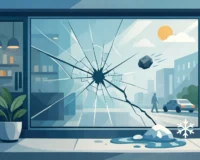
A cracked patio slider, a shattered storefront entry, or a fogged-up insulated glass panel can turn into a safety issue fast. Glass door replacement is not just about appearance – it is often about security, energy efficiency, smooth operation, and getting your home or business back to normal without delays.
For property owners in the DMV, the real question is usually not whether the damage looks bad. It is whether the door can still do its job. If the glass is broken, loose, cloudy between panes, or no longer fits securely in the frame, replacement may be the smarter and safer move than trying to stretch the life of a failing door panel.
When glass door replacement makes sense
Not every damaged door needs a full new door system. In many cases, the frame, hardware, and overall structure are still in good shape, and only the glass needs to be replaced. That is often the most practical solution because it restores function without the cost of tearing out the entire opening.
Glass door replacement is usually the right call when the pane is cracked or shattered, when tempered glass has failed, when double-pane glass shows moisture or fog between layers, or when chips and edge damage create a risk of spreading. For commercial properties, replacement also becomes urgent when damaged entry glass affects customer safety or leaves the building exposed after hours.
There are also cases where the glass itself is not the only issue, but it is still the most visible symptom. If a sliding glass door drags, a closer is misaligned, or a storefront door no longer seals correctly, worn hardware may be part of the problem. A good contractor will tell you whether replacing the glass alone solves the issue or whether the job should include rollers, pivots, weatherstripping, or adjustment work.
Repair vs. glass door replacement
Small cosmetic flaws do not always require full replacement. Minor scratches, limited sealant issues, or hardware adjustments can sometimes be handled as a repair. That is the lower-cost route, and if the glass is structurally sound, it may be the right one.
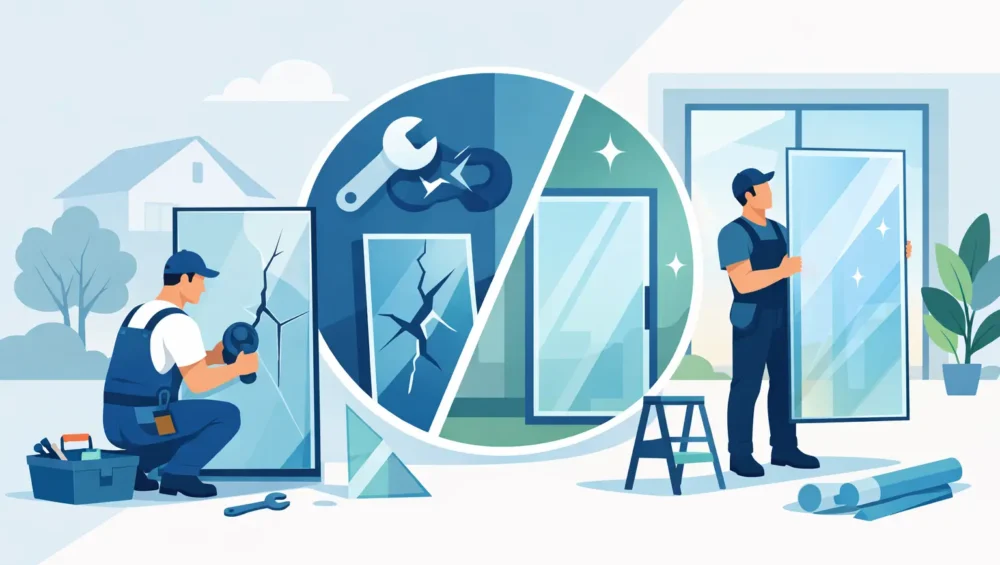
But there is a point where repair stops being cost-effective. A crack in a door panel rarely stays the same size for long. Insulated glass that has lost its seal will not regain its clarity. Impact damage near corners or edges tends to weaken the panel even if the rest of the glass still looks intact.
For homeowners, this often comes down to peace of mind. If the back door is hard to lock because the glass panel or frame is compromised, putting off replacement can create more hassle than savings. For businesses, delay can mean liability, poor curb appeal, and problems with access or code compliance.
What types of doors commonly need glass replacement
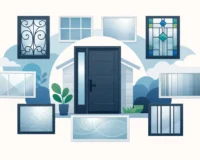
The most common residential jobs involve patio doors, French doors, front entry doors with decorative glass, and storm doors. In these situations, homeowners usually want a replacement that matches the existing style while improving safety and insulation.
On the commercial side, storefront doors, office entry systems, aluminum-framed glass doors, and interior glass partitions are frequent candidates. Commercial glass door replacement often has tighter timelines because broken entry glass affects operations, employee safety, and customer traffic right away.
It also matters what type of glass the door uses. Tempered safety glass is common in doors because it breaks into smaller pieces rather than sharp shards. Laminated glass may be used when added security or sound control is needed. Insulated glass units are common in exterior doors where energy performance matters. The right replacement has to match both the opening and the demands of the space.
What to expect during a glass door replacement service
A professional replacement starts with measuring the opening correctly and identifying the glass type, thickness, tint, and safety requirements. That sounds basic, but it is where many problems begin. If measurements are off or the wrong glass is ordered, the job gets delayed and the fit may never be quite right.
Once the glass is ready, the damaged panel is removed, the frame is inspected, and new glazing materials or stops are installed as needed. If the surrounding components are in good condition, the work can be straightforward. If there is hidden damage in the frame, worn hardware, or signs of moisture intrusion, those issues should be addressed before the new panel goes in.
For emergency situations, temporary board-up may be part of the process until the correct replacement glass is available. That is especially important for storefronts, ground-level offices, and homes where security cannot wait. Fast protection first, permanent replacement next – that is usually the right order when the opening has been compromised.
Choosing the right glass for the job
The best replacement is not always the cheapest pane that fits the frame. Exterior doors need glass that can handle temperature changes, everyday traffic, and security concerns. Interior doors may prioritize appearance, privacy, or acoustic control instead.
Clear glass is the standard choice when visibility matters, but frosted, tinted, patterned, or low-E options may be better depending on the location. A front entry door may need privacy without losing natural light. A retail storefront may need visibility and a clean, professional look. A patio door may benefit from energy-efficient insulated glass that helps reduce heat gain in summer and heat loss in winter.
This is where experience matters. The right contractor should explain what fits the opening, what meets code, and what makes sense for the way the property is used. There is no single best option for every door.
Glass door replacement for homes
At home, a broken or failed glass door affects more than looks. It can make a room less comfortable, raise energy bills, reduce security, and create real safety concerns for kids, pets, and guests. Even when the damage seems manageable, homeowners usually feel the problem every day – a draft by the door, a lock that does not line up, a cloudy view to the yard.
Replacing the glass can restore the door without changing the whole style of the home. That is especially useful when the frame is still solid or when the door is part of a matched set. It lets homeowners improve performance while keeping the overall design consistent.
For older homes in the DMV, this can also be a practical middle ground. Full door replacement may not be necessary if the glass can be updated and the hardware adjusted at the same time.
Glass door replacement for businesses
Commercial properties have less room for delay. A damaged glass entry sends the wrong message, creates safety risks, and can interrupt normal business. Customers notice it immediately. So do employees and tenants.
That is why commercial clients usually need two things at once – speed and accuracy. Temporary protection may be needed the same day, but the permanent fix still has to fit correctly, operate smoothly, and match the existing system. For retail stores, office buildings, restaurants, and mixed-use properties, a rushed but sloppy repair is not a real solution.
Freddy Glass & Doors serves both residential and commercial customers, which matters when a property manager or owner wants one contractor who can handle emergency board-up, replacement glass, and door-related adjustments without bouncing the job between vendors.
How to avoid repeat problems
Not all glass damage is random. Impact is common, of course, but recurring issues can come from sagging doors, failing closers, misalignment, poor installation, or neglected hardware. If the new glass goes in and the original cause is ignored, the problem may come back.
That is why good service is not just about swapping out the broken panel. It is about checking how the door operates, how it seals, and whether the frame is putting stress on the glass. A reliable fix should leave you with a door that looks right, closes right, and holds up.
When you need glass door replacement, the best next step is a clear assessment from a local professional who can tell you what is damaged, what can be saved, and how quickly the space can be secured and restored. A good door should do its job quietly every day – and once it does, you should be able to stop thinking about it.